
Resources · October 1, 2026
A body full of grief
I expected losing my dad to hurt emotionally. I didn’t expect grief to take my sleep, my focus and my appetite. Nobody warned me it’s physical too.
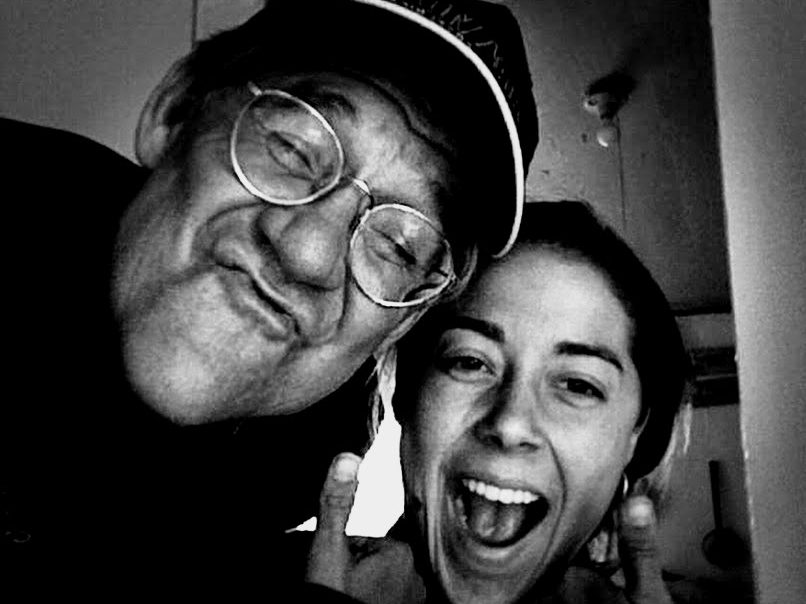
I came across some writing on my computer last week. I composed it about 9 months after my father passed away from kidney cancer weeks before his 65th birthday. I was 27 at the time.
“Missing him is a painful wave. A sudden tidal wave. It fills my blood and as my heart rate elevates it rapidly pumps the unstoppable emotion throughout my whole body, filling my veins. The force begins in my lower abdomen, simulating the weightless feeling of free fall. The emotion continues to rush through my stomach and upward towards my head and I begin to feel it in my veins, on my flesh, in my bones. It consumes my entire body and being. As the tidal wave reaches its crest it breaks and sends the emotion all the way back down my body along the same path, this time faster and more intense. Reality takes over and I realize he is gone and never coming back. The uncontrollable tears begin, spilling down my face. And then it is gone, as fast as it came. I dry my eyes and continue about my day.”
I had these all-consuming emotional and physical episodes of grief frequently for about a year-and-a-half before they finally became sporadic. I expected the emotional impact when he died; I had grown up around death because my mom was a palliative care professional. The physical part I did not expect.
I went to therapy for two years to work through the emotional side of losing my dad. I learned to live with the loss and it changed my life. However, the physical effects I had to work through on my own. I had no idea back then that grief is a physiological experience, and it took me years to connect my physical health issues to my grief. Once my emotional state finally allowed me to reach self-awareness, I noticed that how I felt emotionally on any given day was tightly correlated to how I felt physically. I learned that grief impacts the brain and nervous system causing anxiety, insomnia and brain fog. It targets the heart and lungs with shortness of breath and a racing heart that can trigger stressed-induced cardiomyopathy, mimicking a heart attack. Ever heard of the saying “they died from a broken heart”? It’s not just a saying. Grief elevates stress levels, weakens the immune system, increasing the risk of infections, inflammation, and negative impacts on digestive health. It is all just one big downward spiral: every one of these physical symptoms worsens another, which worsens another.
Here was my experience with my dad’s death:
Stress
Stress was my biggest contributor. It disrupted my sleep, I developed brain fog and lost my appetite. I suffered regular stomach aches and bloating when I did eat, which caused anxiety, in turn generating more stress and further disrupting my sleep. I am also a very active person who deals with stress through increased movement and I was exercising three times a day to try to quiet the pain. But I wasn’t eating enough to fuel this activity because I wasn’t hungry. My body reacted. I did not have a menstrual cycle for seven full years. Seven years. I didn’t even think about the connection between this and my grief until years later. About five years after losing my dad, I started trying to regulate my cycle naturally using tinctures and acupuncture, but I was unsuccessful. The strain on my body was still too great. My cycle finally came back in the early COVID days of 2020, two days after I was let go from a job in which I was supremely miserable—a story for another day.
Sleep
The morning my dad passed, my mom called at 4:30 AM. That was the start of a six-month streak of insomnia. I tried melatonin nightly, but while it sometimes helped me fall asleep, I never stayed asleep. It wasn’t until I started wearing earplugs at nights on a trek up Kilimanjaro that I found a solution that could work 70% of the time. I wore earplugs every night for a decade until I had my daughter and I needed to be able to hear her at night.
Brain fog
I flew home to New Hampshire two weeks after he passed. I went through security, walked to my gate, and sat down to wait to be called to board. The gate agent came on the speaker and started with the boarding process spiel – welcome, make sure you carry on fits under the seat in front of you, bags in overhead bins, etc. “Bags in the overhead bins,” made me stop for a minute. Where was my bag? I began to mentally retrace my steps and finally realized I hadn’t had it since the security line. Sitting there calmly, I contemplated whether I even needed anything in that bag or cared enough about any of it to make the effort to go back and get it. Ultimately I didn’t want cause issues for the TSA folks, so I did end up trucking back to get it before boarding my flight. Just for the record, I am someone who normally has her shit together at all times.
The emotional impacts of grief rightfully get the attention they deserve. But the physical impacts need their due too. I had no idea about the physical side when I lost my father. I wasn’t emotionally equipped to think about it, let alone try to address it, and I definitely did not have anyone to guide me through it. I struggled mightily to find the place where grief and good health could coexist. How can someone who is living in a zombie state and is unable to commit to anything, accomplish this?
Supporting your wellness through grief cannot and should not be a step-by-step process with goals and established outcomes to measure your progress. Not only would that be too overwhelming but it is also not the point. The point is to find the few places where you can gently insert a calming hand to stop the downward spiral. Give your mind enough support so that you can actually begin to process. And where that hand needs to be placed is individual to you and the loss you are processing, there is no one size fits all.
Liked this one?
Join the newsletter for more, plus news from P Labs and small, realistic ways to come back to yourself.
No spam. Unsubscribe anytime.